

Contents
A sewage backup can feel like a storm cloud hovering over your home, threatening to release chaos. But you don’t have to let it rain on your parade. With the right approach and a few budget-friendly tips, you can tackle the mess effectively. It all starts with evaluating the damage and being prepared. Curious about how to navigate this cleanup without breaking the bank?
Key Takeaways
- Inspect your home for visible damage early to avoid costly repairs later on.
- Collect essential cleanup supplies like gloves, masks, and disinfectants to minimize expenses.
- Use a wet/dry vacuum to efficiently remove standing water without hiring professionals.
- Properly dispose of contaminated materials to prevent further health risks and expenses.
- Seek advice from neighbors who have dealt with similar issues for cost-effective solutions.
Assessing the Damage Effectively
How can you effectively assess the damage from a sewage backup? Start by carefully inspecting your home, focusing on areas that came into contact with sewage. Look for visible signs of damage, like discoloration on walls or ceilings.
It’s essential to conduct a thorough damage assessment, as early detection can save you from more extensive repairs later.
Next, use moisture detection tools to uncover hidden moisture behind walls or under flooring. This step is important because lingering moisture can lead to mold growth, which no one wants to deal with.
Don’t hesitate to reach out to your neighbors or friends who’ve faced similar issues; they can offer valuable insights. Remember, you’re not alone in this—many have navigated through sewage backups and can provide support and advice.
Gathering Essential Cleanup Supplies
Once you’ve assessed the damage, it’s time to gather the supplies you’ll need for cleanup. Having the right tools on hand makes the process smoother and more efficient.
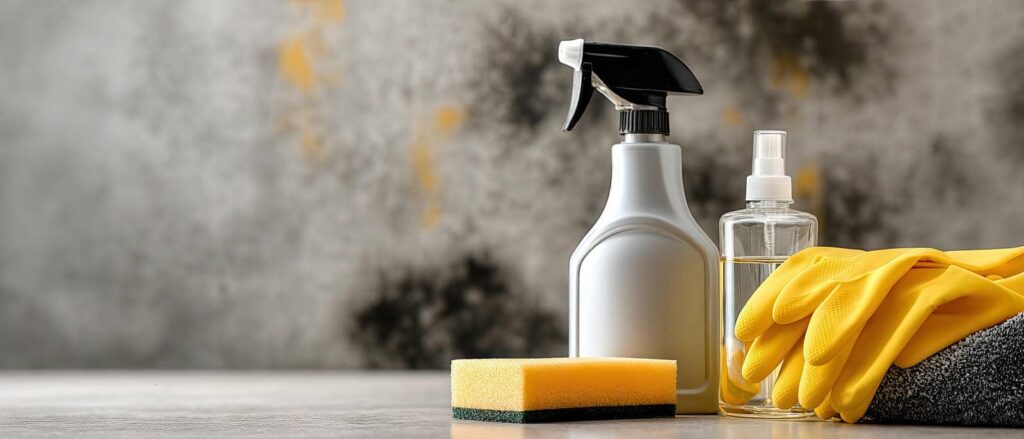
To help you get started, here’s a quick cleanup supply checklist that focuses on essential cleaning tools:
- Heavy-duty rubber gloves
- N95 respirator mask
- Buckets for waste collection
- Disinfectant cleaner
- Mops and rags
These items are vital for ensuring your safety and effectiveness during the cleanup.
Don’t forget to check your supplies before diving in—having everything ready will save you time and stress.
Remember, you’re not alone in this; many others have faced similar challenges and found ways to overcome them.
Armed with your checklist, you’ll feel more confident tackling the mess. With the right supplies, you’ll turn an intimidating task into a manageable one, and soon your space will be back to normal.
Implementing Safety Precautions
While you’re preparing to tackle the sewage backup cleanup, it’s essential to prioritize safety precautions. You want to make sure you’re protected from harmful bacteria and contaminants. Start by donning appropriate safety gear, including gloves, goggles, and a mask. These items act as your first line of defense, keeping you safe while you work.
Next, wear protective clothing that covers your arms and legs. Old clothes or disposable coveralls are great options; they’ll shield your skin from any hazardous materials. Consider waterproof boots as well, as they’ll help prevent any accidental exposure.
Don’t forget to ventilate the area! Open windows and doors to let fresh air circulate, minimizing unpleasant odors and harmful fumes.
DIY Cleanup Techniques
As you immerse yourself in the DIY cleanup process, it’s crucial to tackle the sewage backup efficiently to minimize damage and prevent further issues.
Start by gathering the right DIY equipment and cleaning solutions. Here’s a handy checklist to guide you:
- Rubber gloves and boots
- Plastic sheeting and bags
- A wet/dry vacuum
- Disinfectant solutions (like bleach or vinegar)
- Mop and bucket
Begin by removing any debris and standing water with your wet/dry vacuum.
Next, thoroughly clean and disinfect the affected areas using your chosen cleaning solutions. It’s important to let surfaces dry completely to avoid mold growth.
Remember to dispose of contaminated materials properly, ensuring your safety and that of your environment.
When to Seek Professional Help
After tackling the initial cleanup on your own, it’s important to recognize when the situation exceeds your expertise. If you notice persistent odors, sewage pooling, or black water, these are clear signs of urgency.
Don’t hesitate to call a professional if the contamination spreads beyond your initial area or if you’re dealing with hazardous materials. It’s all about keeping you and your loved ones safe.
Additionally, if you’re feeling overwhelmed or unsure about handling the equipment and chemicals, reaching out for help can save you time and stress.
Remember, it’s better to ask for assistance than to put your health at risk. You’re not alone in this; many face similar challenges and find comfort in knowing when to seek help.
Trust your instincts and don’t wait too long—taking action sooner rather than later can make all the difference in protecting your home.
Preventative Measures for the Future
To prevent sewage backups in the future, you should regularly inspect and maintain your plumbing system. Staying proactive can save you from costly cleanup later.
Here are some essential tips to keep everything flowing smoothly:
- Schedule routine plumbing inspections with a trusted professional.
- Practice drain maintenance by avoiding pouring grease or food down the sink.
- Use drain covers to catch hair and debris, especially in bathrooms.
- Be mindful of what goes down your toilets; only flush toilet paper.
- Clear tree roots around your sewer lines to prevent blockages.
Review
By following these budget-friendly cleanup tips, you can tackle a sewage backup like a pro! Remember, while DIY methods can save you a fortune, don’t hesitate to call in the experts if the situation feels overwhelming. With some elbow grease and the right supplies, you’ll have your space back to normal in no time, like magic! Stay proactive with preventative measures, and you’ll keep those pesky backups at bay for good.