

Contents
When faced with fire damage, it’s vital to act swiftly and methodically. You’ll need to assess both visible and hidden damage while prioritizing safety. Document everything for insurance claims and make certain utilities are turned off. As you navigate the fire damage repair cleanup, understanding the proper techniques for removing debris and cleaning smoke residue becomes indispensable. However, knowing when to call in professionals can make a significant difference in the restoration process. What steps should you take next?
Key Takeaways
- Assess the damage immediately, documenting with photos and creating a detailed list for insurance claims.
- Ensure safety by using protective gear and turning off utilities to prevent further risks.
- Remove debris carefully, categorizing items for salvage and complying with local waste disposal regulations.
- Clean smoke and soot residue using proper techniques, like dry sponges and mild detergents for washable surfaces.
- Hire qualified contractors with fire damage restoration experience and verify their credentials for quality assurance.
Assessing the Damage
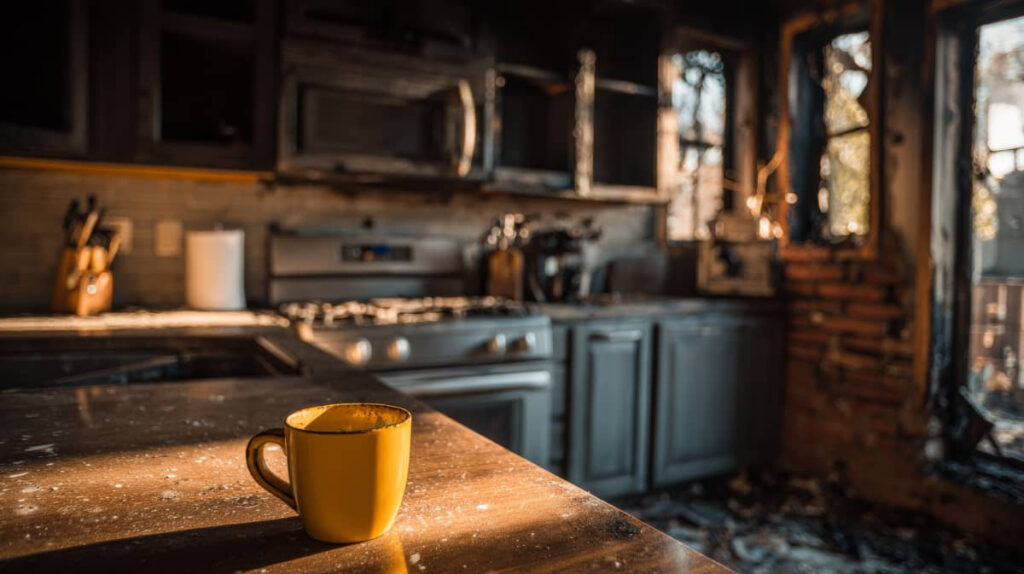
When evaluating the damage after a fire, it’s crucial to act quickly and methodically. Start by documenting everything you see, as this will aid in your damage evaluation. Take clear photos of affected areas, noting the extent of the damage to walls, furniture, and appliances. This visual evidence will be important for your insurance claims process.
Next, categorize the damage into structural, cosmetic, and content-related. Understanding the severity will help prioritize repairs and inform your insurance adjuster. Keep a detailed list of all damaged items, including their estimated value.
Don’t forget to check for hidden damage, such as smoke residue or water damage from firefighting efforts. Engaging with professionals early on can provide expert insights, ensuring you don’t overlook critical details.
This organized approach supports your insurance claims and helps you regain a sense of normalcy during a challenging time.
Ensuring Safety First
Before you begin any repairs, ensuring safety is paramount. First, assess your surroundings for hazards like smoke, unstable structures, or lingering flames. Equip yourself with personal protective gear—gloves, masks, and goggles—to shield against harmful particles.
Remember, fire safety isn’t just about the immediate threat; it’s about being prepared for emergencies. Have a fire extinguisher nearby and know how to use it.
Next, if you suspect structural damage, don’t hesitate to contact professionals. They can assess the situation and guide you on safe entry. Turn off utilities like gas and electricity to prevent further risks.
Create an emergency preparedness plan that includes evacuation routes and communication strategies with family or neighbors. This helps you feel secure and fosters a sense of community.
Prioritizing safety ensures that you can focus on repairs without unnecessary risk to yourself or others.
Removing Debris and Salvageable Items
As you begin the process of removing debris and salvaging items, it’s essential to work methodically to ensure safety and efficiency. Start by evaluating the area, identifying debris that poses hazards, like broken glass or unstable structures. Use protective gear, including gloves and masks, to shield yourself from potential injuries.
Next, categorize items based on their condition during your salvage evaluation. Separate valuable belongings that can be cleaned or repaired from those that are beyond saving. This step helps streamline your debris disposal process, allowing you to focus on what can be salvaged.
When disposing of debris, check local regulations regarding hazardous waste to ensure compliance. You may need to rent a dumpster or schedule a pickup for larger items.
Cleaning Smoke and Soot Residue
Although cleaning smoke and soot residue can seem challenging, tackling it promptly will help restore your home’s atmosphere. Start with smoke removal by ventilating the area; open windows and use fans to circulate air.
Once that’s done, gather your cleaning supplies, including a vacuum cleaner with a HEPA filter for loose soot. For soot cleaning, use a dry sponge or cloth to gently lift the residue from surfaces—don’t rub, as this can spread the soot.
Mix warm water with a mild detergent for washable surfaces, and scrub gently. Be sure to test any cleaning solution on a small, inconspicuous area first.
For walls and ceilings, consider using a specialized soot cleaning product that’s designed to break down residue effectively. Finally, remember to clean your air filters and vents, as they can harbor lingering smoke particles.
With persistence, you’ll reclaim your space and breathe easier.
Dealing With Water Damage
When you discover water damage in your home, acting quickly can make a significant difference in preventing further issues.
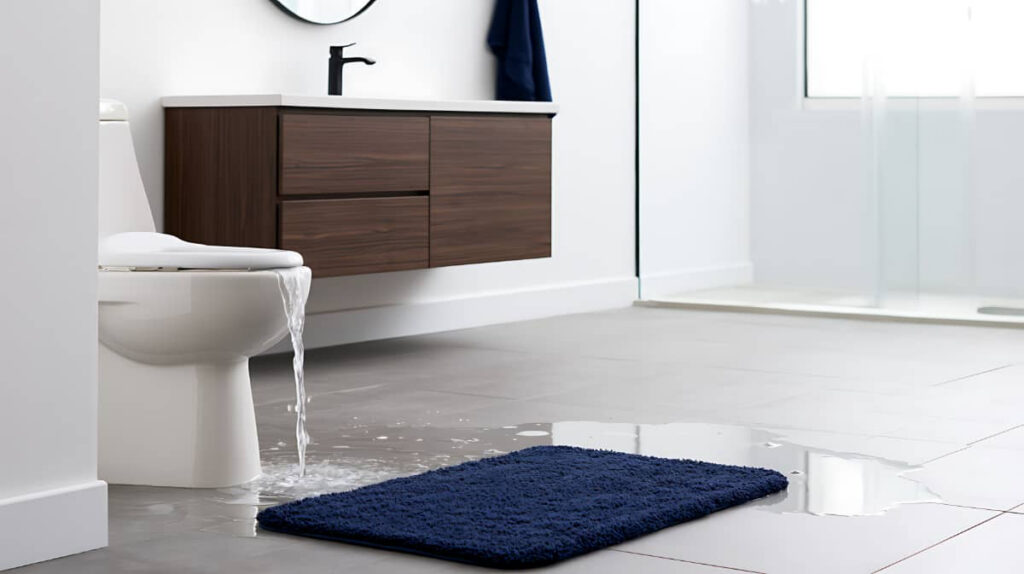
Start with water extraction to remove standing water, whether it’s from a burst pipe or flooding. The sooner you tackle this, the better your chances of minimizing damage. Use a wet/dry vacuum or hire professionals if the water is extensive.
Next, focus on moisture control. Dry out the affected area using fans and dehumidifiers to reduce humidity levels. Open windows if weather permits to enhance airflow.
Check for hidden moisture in walls, floors, and furniture, as this can lead to mold growth.
Lastly, inspect your plumbing and roofing to prevent future leaks. Taking these proactive steps repairs the current damage and fosters a safer, healthier living environment for you and your family.
Repairing Structural Damage
If you notice signs of structural damage in your home, addressing it promptly is vital to maintaining safety and stability.
Ignoring such issues can compromise your home’s structural integrity, leading to more extensive repairs down the line.
Here are three steps to guide you through the repair process:
Assess the Damage: Identify cracks, sagging floors, or misaligned doors. Understanding the severity is critical.
Gather Repair Materials: Use high-quality materials such as wood beams, concrete, or steel reinforcements to ensure lasting repairs. Avoid cheap alternatives that can weaken your structure.
Consult a Professional: If the damage is extensive, hiring a structural engineer will provide expert insight and ensure proper repair techniques.
Preventing Future Fires
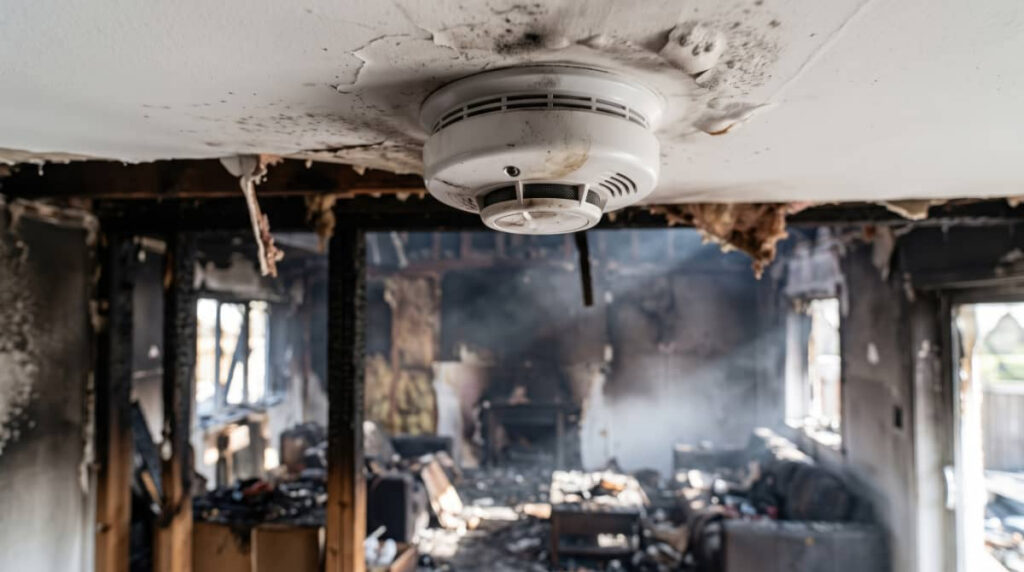
To prevent future fires, it’s essential you install smoke detectors throughout your home and ensure they’re regularly tested and maintained.
Practicing fire drills with your family can also prepare everyone to react swiftly in case of an emergency.
Taking these proactive steps greatly enhances your safety and reduces the risk of fire hazards.
Install Smoke Detectors
Installing smoke detectors is essential for safeguarding your home against future fires, as these devices serve as your first line of defense.
To ensure you choose the right smoke detector types and install them effectively, follow these tips:
Select the Right Type: Choose between ionization, photoelectric, or dual-sensor detectors, depending on your needs.
Placement Matters: Install detectors on each level of your home, inside bedrooms, and outside sleeping areas for maximum coverage.
Regular Maintenance: Test your detectors monthly and replace batteries at least once a year to keep them functioning.
Practice Fire Drills
Smoke detectors provide invaluable early warnings, but having a plan in place is just as important.
Practicing fire drills ensures everyone knows what to do during an emergency, enhancing fire safety for your household. Schedule regular drills, ideally every six months, to keep the process fresh in everyone’s mind. Assign roles, such as a designated meeting point outside and someone to call 911.
Encourage open discussions about the importance of emergency preparedness, making it a family affair. This way, everyone feels involved and empowered.
Hiring Professional Help
When it comes to fire damage, evaluating the extent of the destruction is essential before making any repairs.
Hiring qualified contractors ensures that you get the expertise needed to handle the specific damages effectively.
Assessing Damage Extent
Although you might be tempted to tackle fire damage repairs on your own, hiring a professional can provide a more accurate assessment of the extent of the damage.
Experts use advanced inspection techniques to identify all damage indicators, ensuring nothing is overlooked.
Here are three key benefits of hiring professionals:
Comprehensive Evaluation: They can detect hidden issues, such as structural damage or smoke residue, that you might miss.
Efficient Techniques: Professionals utilize specialized tools and methods, making the assessment quicker and more reliable.
Safety Assurance: They’re trained to recognize hazards, ensuring your safety during the inspection process.
Choosing Qualified Contractors
How do you find the right contractor for fire damage repairs? Start by researching contractor qualifications.
Look for professionals with experience specifically in fire damage restoration. Check their credentials, licenses, and insurance to verify they meet industry standards.
Next, create a shortlist of potential candidates and initiate the interview process. Prepare questions about their previous work, timelines, and methods for handling similar projects.
Ask for references and follow up with them to gauge satisfaction levels.
During the interviews, assess their communication skills and willingness to cooperate. A qualified contractor should be transparent, providing clear estimates and addressing your concerns.
Frequently Asked Questions
What Types of Insurance Cover Fire Damage Repairs?
Homeowners insurance typically covers fire damage repairs, while fire insurance specifically protects against losses from fire incidents. You should review your policy to ensure you’re adequately covered for any potential fire-related damages.
How Long Does Fire Damage Restoration Typically Take?
Fire damage restoration typically takes a few days to several weeks. Your restoration timeline depends on repair factors like the extent of damage, materials involved, and necessary inspections, so stay informed and patient throughout the process.
Can I Stay in My Home During Repairs?
You can stay in your home during repairs if fire safety is ensured. However, a thorough home assessment is essential to identify hazards. Always prioritize your well-being and consult professionals before making any decisions.
What Items Are Usually Considered Non-Salvageable After a Fire?
After a fire, items like upholstered furniture, mattresses, and electronics often aren’t salvageable due to smoke and soot damage. You should assess belongings carefully to determine which fire-damaged items can be safely restored.
Are There Any Government Grants for Fire Damage Recovery?
Like a phoenix rising, you can find government assistance for fire recovery funding. Check local programs, FEMA, and non-profits to discover grants that help you rebuild and restore what was lost. Don’t hesitate to explore!
Review
In the world of fire damage repair, “an ounce of prevention is worth a pound of cure.” By following these steps, you can effectively manage the aftermath of a fire and protect your home from future incidents. Always prioritize safety, document everything for insurance, and don’t hesitate to call in professionals when needed. With a systematic approach and the right mindset, you can restore your space and regain peace of mind.