

Contents
When you face sewage cleanup and mold removal, it’s vital to approach the situation methodically. Start by evaluating the damage and ensuring your safety with proper gear. Effective techniques for cleaning sewage involve specific steps that minimize health risks. Similarly, mold removal requires precise methods to prevent recurrence. Understanding these essential tips can make a significant difference in your cleanup efforts and environment. But what should you prioritize first?
Key Takeaways
- Wear appropriate personal protective equipment (PPE) like gloves, goggles, and masks to ensure safety during sewage cleanup and mold removal.
- Contain affected areas to prevent spreading contamination and isolate them from unaffected spaces.
- Use absorbent materials to soak up excess sewage and disinfect all surfaces with suitable cleaners.
- Identify and remove mold using a water and detergent mixture, discarding porous materials that cannot be cleaned.
- Control moisture and improve ventilation to prevent future mold growth in affected areas.
Assessing the Damage and Safety Precautions
When you’re faced with sewage damage, it’s essential to assess the situation carefully before proceeding. Start your damage evaluation by identifying the extent of the contamination. Look for visible signs of sewage, such as discoloration on walls or a foul odor. Document any damage with photographs for insurance purposes.
Before you engage in cleanup, make certain you’re equipped with appropriate safety gear. Wear gloves, goggles, and a mask to protect yourself from harmful pathogens.
If the area is extensive, consider using waterproof boots and disposable coveralls.
Effective Sewage Cleanup Techniques
After evaluating the damage and ensuring your safety, it’s time to implement effective sewage cleanup techniques. First, gather your safety equipment: gloves, goggles, and a mask to protect against harmful pathogens.
Next, contain the contaminated area to prevent further exposure. Use absorbent materials, like towels or commercial absorbents, to soak up excess sewage.
Once you’ve removed the bulk of the waste, disinfect the surfaces with a suitable cleaner, ensuring you follow the manufacturer’s instructions for contact time.
For sewage disposal, check local regulations to safely get rid of contaminated materials. Always place waste in sealed bags before discarding them in designated areas.
After the initial cleanup, monitor the site for lingering odors or stains, which may indicate further treatment is necessary.
Proper Mold Removal Strategies
Since mold thrives in damp environments, it’s crucial to act quickly once you identify any growth following a sewage incident.
Begin with effective mold identification techniques; look for discoloration, musty odors, or visible patches. Once identified, don personal protective equipment (PPE) like gloves and masks to guarantee your safety.
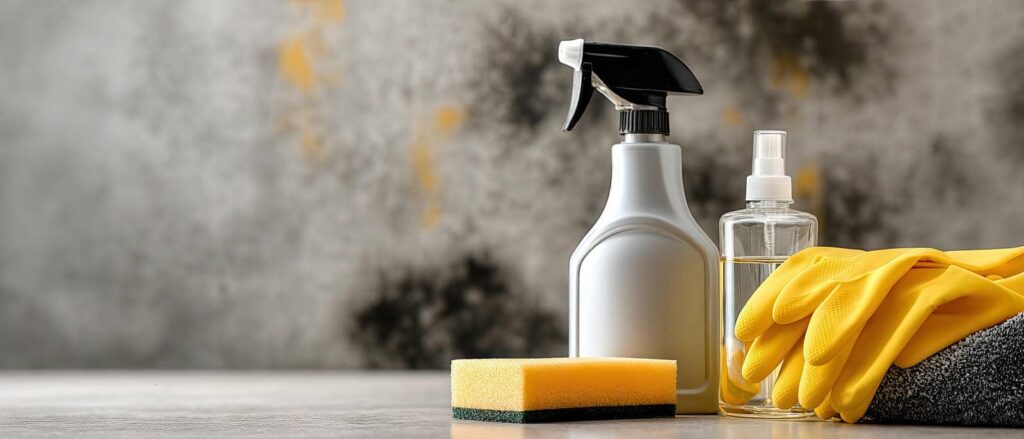
For safe removal practices, isolate the affected area by sealing off doors and vents to prevent spores from spreading. Use a mixture of water and detergent to scrub surfaces, or consider a specialized mold removal solution if necessary.
Make sure you discard any porous materials that can’t be thoroughly cleaned, such as drywall or carpeting. After removal, dry the area completely to discourage future growth.
Regularly monitor the space and check for signs of moisture. Following these strategies will help you effectively eliminate mold and restore a safe, healthy environment for you and your loved ones.
Preventing Future Mold Growth
To effectively prevent future mold growth, it’s vital to control moisture levels in your environment.
Implementing proper ventilation methods and consistently monitoring humidity can greatly reduce mold risks.
Here are three essential steps to guarantee effective moisture control:
Use Dehumidifiers: Place dehumidifiers in damp areas like basements and bathrooms to maintain humidity levels below 50%.
Improve Ventilation: Install exhaust fans in kitchens and bathrooms to expel excess moisture. Open windows whenever possible to enhance air circulation.
Seal Leaks: Regularly inspect your home for leaks in roofs, pipes, and walls. Seal any gaps promptly to prevent water intrusion.
When to Call Professionals for Assistance
Knowing when to call professionals for assistance is vital in managing sewage cleanup and mold removal effectively. Look for clear indicators for intervention, such as persistent odors, visible mold growth, or water damage that exceeds a small area.
If you notice signs of contamination, like discoloration on walls or ceilings, don’t hesitate to seek help.
When sewage spills occur, the risks to health and property increase considerably. If the affected area is larger than 10 square feet or contains hazardous materials, professional intervention is important.
Additionally, if you’re experiencing respiratory issues or allergic reactions, these may signal serious mold exposure, warranting expert attention.
Trusting professionals guarantees the cleanup is thorough and safe, minimizing long-term damage.
It’s always better to err on the side of caution; don’t let uncertainty compromise your home and health.
Frequently Asked Questions
How Long Does It Take for Mold to Start Growing After Sewage Exposure?
Mold growth can begin within 24 to 48 hours after sewage exposure, especially in damp environments. To prevent extensive damage, it’s essential to act quickly and address the moisture immediately. Time is critical here.
Can I Use Bleach to Clean Sewage-Contaminated Areas?
You shouldn’t use bleach for sewage cleanup; its effectiveness against pathogens is limited. Instead, consider alternative cleaners specifically designed for biohazard removal, ensuring thorough sanitation and safety in contaminated areas. Always prioritize safety and proper protocols.
What Personal Protective Equipment Is Needed for Sewage Cleanup?
Cleaning sewage is like diving into a stormy sea; you need proper gear. Wear gloves, masks, boots, and goggles to follow safety protocols during cleanup procedures, ensuring you protect yourself from hazardous materials and contamination.
Are There Specific Types of Mold That Thrive in Sewage Conditions?
Yes, sewage mold often includes hazardous species like Aspergillus and Penicillium. These molds thrive in damp, nutrient-rich environments, making sewage an ideal breeding ground. Always prioritize safety when dealing with such hazardous conditions to protect your health.
How Can I Tell if Mold Is Behind My Walls?
If you suspect mold lurks behind your walls, use mold detection methods like moisture meters and conduct thorough wall inspection techniques, checking for discoloration, musty odors, or peeling paint to confirm your concerns effectively.
To Sum Up
In the battle against sewage and mold, your safety and diligence are your strongest allies. By following the essential tips outlined, you can transform a formidable cleanup into a manageable task, ensuring your environment stays healthy and safe. Just as a garden needs proper care to flourish, your home requires vigilance against moisture and contaminants. If the situation becomes overwhelming, don’t hesitate to call in the experts sometimes, it takes a seasoned gardener to revive a wilting plant.