

Contents
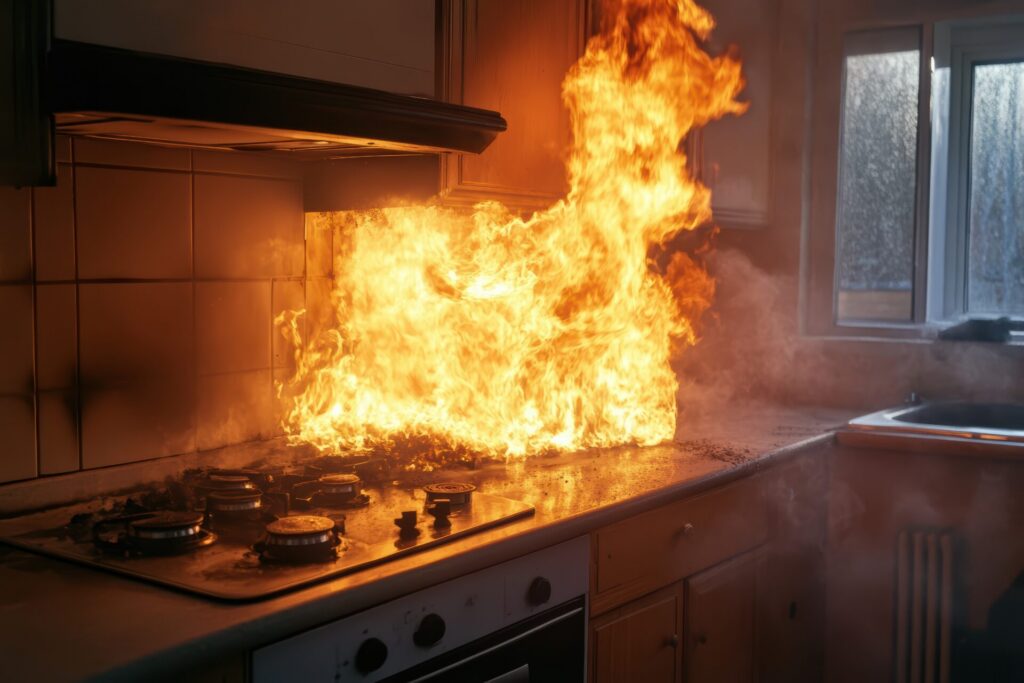
When dealing with fire damage, effective water extraction is vital to prevent further complications. You’ll find that a variety of methods exist, each tailored to specific situations. From submersible pumps for flooded areas to the precision of thermal imaging for hidden moisture, understanding these techniques can markedly impact the restoration process. Let’s explore these five essential methods and discover how they can streamline your recovery efforts.
Key Takeaways
- Submersible Pumps: Ideal for deep water extraction in flooded areas, offering efficient and rapid removal of water from fire damage.
- Wet/Dry Vacuums: Provide powerful suction for smaller, localized areas, effectively removing water and debris to prevent further damage.
- Dehumidifiers: Essential for moisture control; choose refrigerant for warmth or desiccant for cooler conditions to prevent mold growth.
- Truck-Mounted Systems: High-capacity pumps enable quick water removal, reducing labor time and minimizing the risk of structural damage.
- Thermal Imaging: Detects hidden moisture behind walls and ceilings, allowing for proactive treatment before mold develops and further damage occurs.
Extracting Water With Submersible Pumps
When dealing with fire damage, one effective method for extracting water is through the use of submersible pumps. These pumps are designed to operate underwater, making them ideal for flooded areas.
You’ll find various submersible pump types, including centrifugal and positive displacement pumps, each suited for different applications.
When selecting a pump, consider pump capacity, which is measured in gallons per minute (GPM). Depending on the volume of water, you may need a higher capacity pump to expedite the extraction process.
It’s essential to assess the specific needs of your situation, including the depth of the water and the nature of the debris. Using the right submersible pump enhances efficiency while minimizing potential damage to your property.
Utilizing Wet/Dry Vacuums for Quick Removal
While submersible pumps are effective for large-scale water removal, utilizing wet/dry vacuums offers a practical solution for quick extraction in smaller areas affected by fire damage.
These versatile tools provide exceptional suction power, enabling you to tackle residual water efficiently. To maximize their effectiveness, employ specific wet vacuuming techniques, such as making multiple passes over wet surfaces and using the appropriate attachments for corners and edges.
Start by removing any debris, which can obstruct the vacuum’s intake.
Then, adjust the vacuum to ensure optimal suction based on the water level. If possible, maintain a steady, smooth motion to pull up water quickly without leaving any residue.
After extraction, inspect the area to identify any hidden moisture and ensure thorough removal.
Employing Dehumidifiers for Effective Drying
After efficiently removing standing water with wet/dry vacuums, employing dehumidifiers becomes vital for effective drying in areas affected by fire damage.
Dehumidifiers help manage moisture control, preventing further damage and mold growth. You’ll find two primary dehumidifier types: refrigerant and desiccant.
Refrigerant dehumidifiers work best in warm environments, condensing moisture from the air into water. In contrast, desiccant dehumidifiers excel in cooler conditions, utilizing drying agents to absorb moisture.
It’s essential to choose the right type based on your specific environment. Position the dehumidifiers strategically to maximize airflow and enhance moisture extraction.
Regularly monitor humidity levels to ensure they remain within a safe range, typically 30%-60%. By effectively controlling moisture, you can greatly improve the drying process and protect your property from the long-term effects of fire damage.
Implementing Thermal Imaging for Hidden Moisture
How can you effectively uncover hidden moisture in walls and other surfaces after fire damage?
Utilizing thermal imaging is a highly effective method for moisture detection. This infrared technology allows you to visualize temperature differentials that indicate moisture presence. When water infiltrates materials like drywall or insulation, it often cools these surfaces, revealing hidden pockets of moisture that are otherwise undetectable.
By employing a thermal imaging camera, you can quickly scan affected areas, identifying potential moisture issues that may lead to mold growth or structural damage. This proactive approach saves time and enhances the overall effectiveness of your restoration efforts.
For best results, verify you conduct thermal imaging during different temperature conditions—ideally, when the surfaces are cooler than the surrounding air.
This method will empower you to address hidden moisture problems efficiently, fostering a safer environment for those affected by fire damage.
Using Truck-Mounted Extraction Systems
Once hidden moisture is identified through thermal imaging, the next step is to efficiently remove that water using truck-mounted extraction systems.
These systems offer significant truck-mounted advantages that enhance your water damage restoration efforts:
Powerful Machinery: They provide high-capacity pumps for rapid water removal.
Efficient Suction: The strong suction capabilities minimize the time needed for extraction.
Versatility: Truck-mounted units can handle various surfaces and types of water damage.
Reduced Labor Costs: Their efficiency allows you to complete jobs faster, saving on labor expenses.
Utilizing truck-mounted extraction systems speeds up the restoration process and ensures thorough moisture removal, reducing the risk of mold growth and structural damage.
Frequently Asked Questions
How Long Does the Water Extraction Process Typically Take?
The water extraction timeline typically ranges from a few hours to several days, depending on the extent of water damage. You’ll want to start promptly to minimize further complications and ensure effective, thorough extraction.
Can I Perform Water Extraction Myself?
Yes, you can perform DIY water extraction, but remember that most water damage requires professional intervention. Utilizing effective water extraction techniques ensures thoroughness, preventing mold growth and further damage to your property.
What Safety Precautions Should I Take During Extraction?
During extraction, wear safety gear like gloves and boots. Be mindful of electrical hazards; verify power is off before starting. Always check for structural integrity and ventilate the area to mitigate risks effectively.
Will My Insurance Cover Water Extraction Costs?
Your insurance policies often cover water extraction costs, but it depends on your specific plan. To ensure coverage, review your policy details and follow the claim process diligently, documenting all necessary information during your extraction.
How Can I Prevent Mold Growth After Extraction?
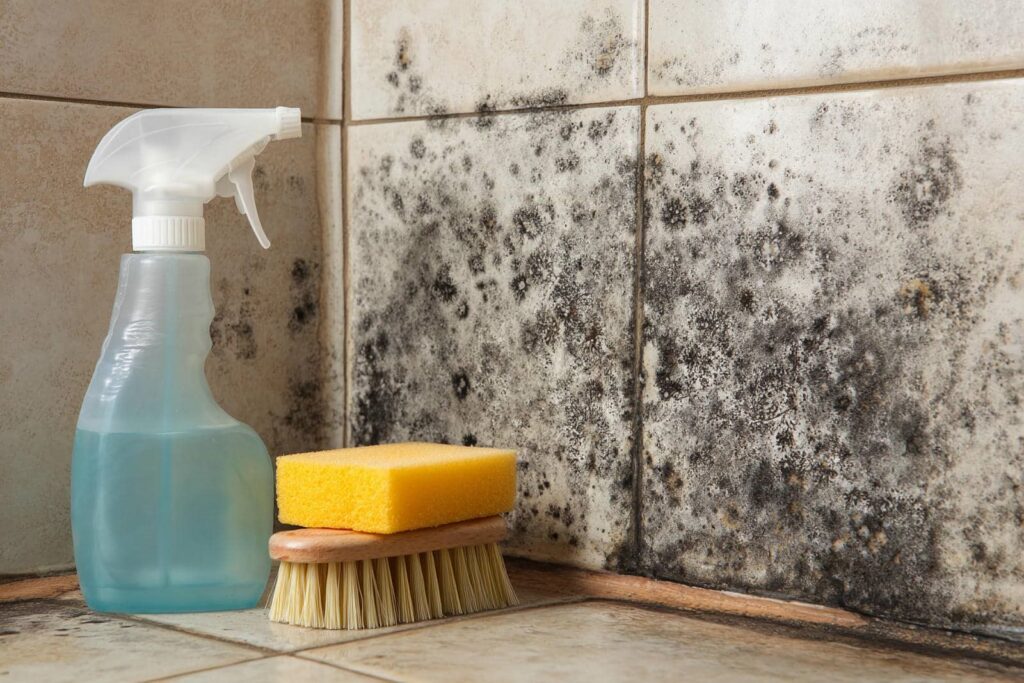
To prevent mold growth, maintain humidity levels below 60%. Use dehumidifiers, ensure proper ventilation, and promptly dry affected areas. Regularly monitor moisture to effectively manage mold prevention and protect your environment from potential damage.
Wrap-Up
Utilizing the right water extraction methods is essential for effective fire damage restoration. Whether you’re deploying submersible pumps or harnessing the power of truck-mounted extraction systems, each technique plays a significant role in minimizing further damage. Don’t underestimate the importance of dehumidifiers and thermal imaging; they can be the difference between a complete recovery and a mold-infested disaster. When you tackle water extraction with precision, you’re not just restoring a property—you’re reclaiming peace of mind!