

Contents
A sewage backup is like a storm that disrupts the calm of your home, bringing with it the threat of contamination and damage. You need to act quickly and methodically to address the situation. Understanding the best methods for cleanup is essential to ensuring safety and minimizing health risks. What steps should you take first to effectively manage this unwelcome crisis?
Key Takeaways
- Assess the damage quickly to determine the extent of contamination and health risks involved.
- Wear appropriate PPE and ensure proper ventilation in the affected area during cleanup.
- Contain the spill using barriers like sandbags and isolate the area to prevent further contamination.
- Remove debris and sanitize surfaces with hot water, detergent, and EPA-approved disinfectants.
- Implement preventive measures, such as regular plumbing maintenance and proper drainage, to avoid future backups.
Assessing the Damage
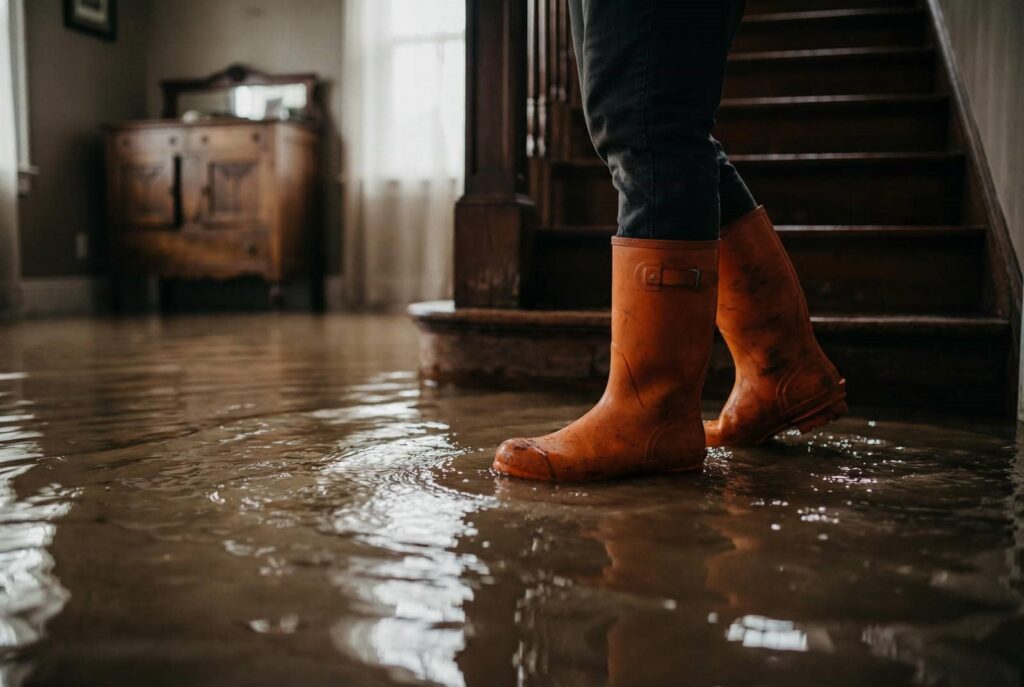
When you discover a sewage backup, it’s crucial to evaluate the damage promptly to determine the extent of the contamination and necessary repairs.
Start with a thorough damage evaluation, inspecting affected areas such as flooring, walls, and personal belongings. Document any visible signs of water intrusion or structural compromise, as this will guide your next steps.
Conduct an impact analysis to understand the potential health risks and structural implications. Evaluate the type of sewage involved—whether it’s greywater or blackwater—as this will influence the cleaning and restoration process.
Consider the duration of the exposure; prolonged contact increases the risk of mold growth and damage to materials.
Safety Precautions
After evaluating the damage from a sewage backup, prioritizing safety is essential before proceeding with cleanup efforts.
You need to protect yourself and others from potential health risks associated with sewage. Here are important safety precautions to follow:
Wear Personal Protective Equipment (PPE): Use gloves, masks, and goggles to shield yourself from contaminants.
Ensure Ventilation: Open windows and doors to allow fresh air circulation, minimizing exposure to harmful fumes.
Identify Emergency Contacts: Keep a list of emergency contacts handy, including local health departments and professional cleanup services, in case further assistance is needed.
Avoid Electrical Hazards: Turn off electricity in the affected area to prevent electrocution risks before entering.
Containing the Spill
To effectively contain a sewage spill, immediate action is vital. First, assess the affected area and identify the spill’s origin. Use temporary barriers, such as sandbags or absorbent booms, to prevent the sewage from spreading further. Position these barriers strategically to direct the flow away from clean zones.
Next, verify that all personnel involved wear appropriate protective gear to minimize health risks. It’s important to communicate with your team during this process to maintain safety and efficiency.
If possible, isolate the affected area to limit access and reduce contamination risk. You can also use plastic sheeting to create additional barriers, enhancing your spill containment efforts.
Cleaning and Sanitizing
With the spill contained, the next step involves thorough cleaning and sanitizing of the affected area. Proper cleaning techniques and effective sanitizing agents are essential to eliminate harmful pathogens and odors.
Here’s how to proceed:
Remove Debris: Clear any solid waste or materials that could harbor bacteria.
Wash Surfaces: Use a mixture of hot water and a strong detergent to scrub all affected surfaces.
Apply Sanitizing Agents: Choose EPA-approved sanitizers, such as chlorine bleach or hydrogen peroxide, ensuring you follow the manufacturer’s instructions.
Rinse and Dry: Rinse surfaces with clean water and allow them to air dry completely, preventing moisture buildup.
Preventing Future Issues
While taking immediate action during a sewage backup is essential, implementing preventive measures can greatly reduce the risk of future incidents. To safeguard your home, prioritize regular maintenance of your plumbing system. Schedule inspections and cleanings at least once a year to detect potential issues before they escalate. This proactive approach ensures that your pipes remain clear and functional.
Additionally, focus on proper drainage around your property. Make certain that gutters and downspouts direct water away from your foundation, as accumulated water can lead to sewer line backups. Installing backflow valves can also provide an extra layer of protection against sewage entering your home.
Educate your household about what should and shouldn’t be flushed down toilets or poured down drains. By fostering a collective understanding of these practices, you create a culture of responsibility that helps prevent future backups.
Together, these steps form a solid defense against sewage issues.
Frequently Asked Questions
How Can I Identify the Source of the Sewage Backup?
To identify the sewage backup source, employ sewage detection techniques like smoke testing and dye testing. Conduct thorough plumbing inspection methods, checking pipes and drains for blockages or damages to pinpoint the exact issue efficiently.
Is It Safe to Clean Sewage Myself?
It’s generally not safe to clean sewage yourself. Without proper safety precautions, you risk exposure to harmful pathogens. If you choose DIY cleanup, make sure you wear protective gear, and consider professional help for thorough sanitation.
What Insurance Covers Sewage Backup Cleanup?
Your sewage backup insurance typically covers cleanup costs, but check for coverage limitations in your policy. Some plans exclude certain events, so understanding your specific coverage is vital for effective financial planning in emergencies.
How Long Does the Cleanup Process Usually Take?
Cleanup duration can feel like an eternity, but typically, you’re looking at a restoration timeline of 1 to 3 days. Factors like severity and resources can influence how quickly you see your space restored.
Can I Use Regular Cleaning Products for Sewage Cleanup?
You can’t rely on regular cleaning products for sewage cleanup. Effective disinfectants specifically designed for sewage cleanup products ensure maximum disinfectant effectiveness, eliminating harmful pathogens and ensuring a safe environment for you and your family.
Conclusion
By swiftly evaluating the situation, securing safety, containing the chaos, cleaning thoroughly, and curbing future crises, you can effectively manage sewage backup cleanup. These strategic steps safeguard your health and shield your property from further damage. Remember, prompt and precise action is paramount in protecting your environment and promoting peace of mind. Stay vigilant and proactive to prevent potential plumbing pitfalls in the future.